

Winter Wellness for Women: How to nourish, strengthen, and thrive in the darker months
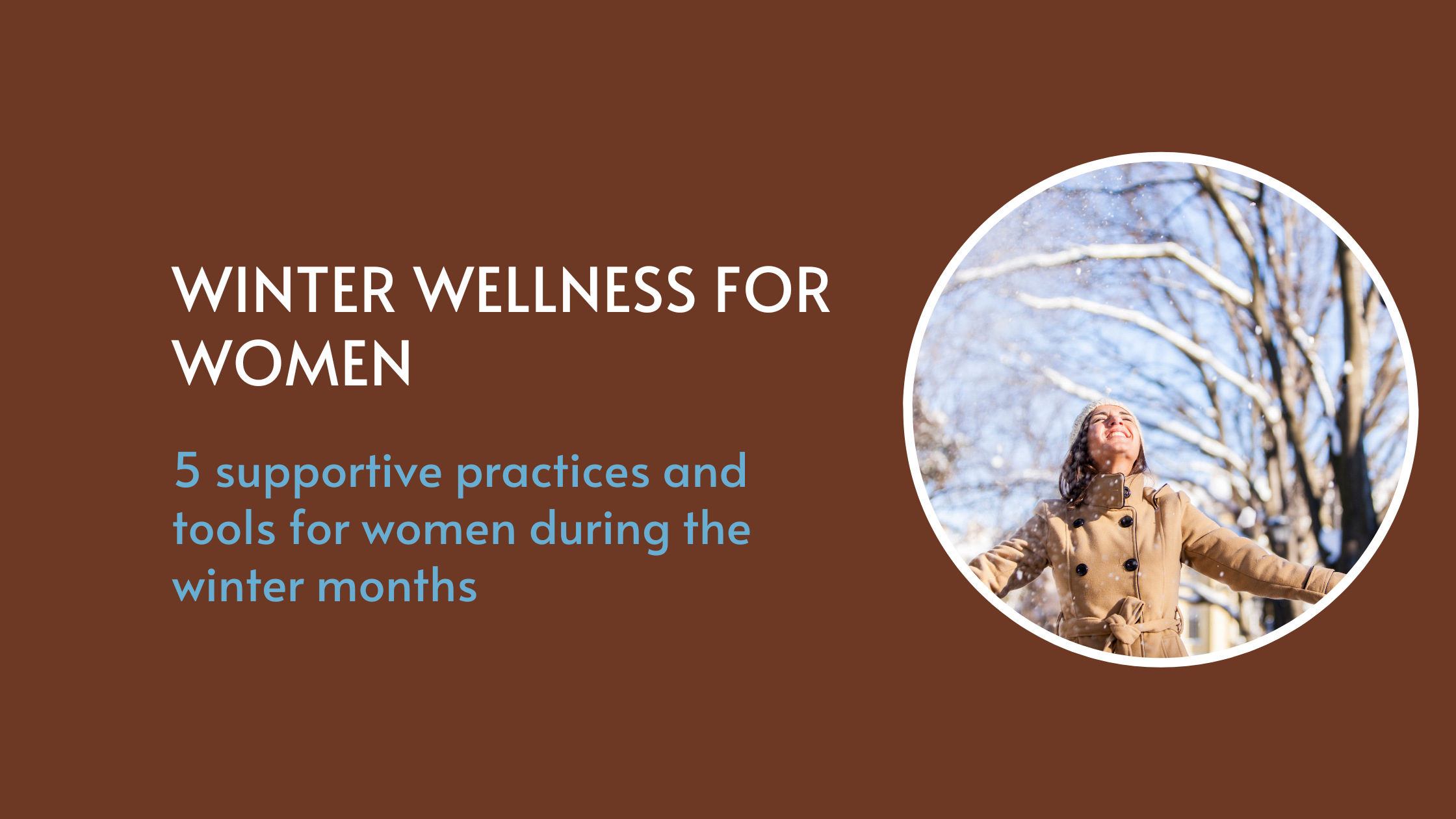
Winter invites us to slow down—but it doesn’t ask us to shut down. For women especially, the colder, darker months can be a powerful time to restore, rebuild, and reconnect with the body’s deeper rhythms. When we align our nutrition, movement, light exposure, and hydration with the season, winter becomes a foundation for vitality rather than a season of depletion. Preparing to bloom and grow when the spring comes.
Here’s how to support your body wisely and lovingly through winter.
1. Eat Warming Foods to Support Digestion, Hormones, and Energy
In winter, your body craves warmth—for good reason. Cold weather naturally slows digestion and circulation, and warming foods help keep metabolic and hormonal systems humming.
Why warming foods matter:
Support healthy digestion and gut motility
Improve circulation and nutrient absorption
Help stabilize blood sugar and energy levels
Reduce inflammation and internal “coldness” that can stress hormones
Focus on:
Soups, stews, and broths
Roasted root vegetables (sweet potatoes, carrots, beets)
Cooked greens and cruciferous vegetables
Healthy fats like ghee, olive oil, and coconut oil
Warming spices: ginger, cinnamon, turmeric, cardamom, cloves
Cold smoothies, raw salads, and iced drinks may feel “healthy,” but in winter they often tax digestion. This season favors gentle heat and nourishment.
2. Lift Weights to Support Hormones, Mood, and Metabolism
Strength training is one of the most underrated winter wellness tools for women. As daylight decreases and movement naturally slows, lifting weights (safely) becomes essential—not optional.
Benefits of weight training in winter:
Supports hormone balance (including insulin and cortisol regulation)
Preserves and builds muscle mass
Boosts metabolic health and circulation
Improves mood and resilience during darker months
Strengthens bones and connective tissue
You don’t need intense or exhausting workouts. Two to four sessions per week of intentional, progressive strength training is enough to send powerful signals of safety and strength to your nervous system.
Think: strong, grounded, embodied—not depleted.
3. Get as Much Sunlight as Possible (Even When It’s Cold)
Sunlight is not a luxury—it’s a biological requirement. In winter, reduced light exposure can disrupt circadian rhythm, sleep, mood, immunity, and hormonal signaling.
Daily sunlight supports:
Healthy sleep-wake cycles
Melatonin and serotonin balance
Immune function
Energy and mood stability
Aim to:
Get outside within 30–60 minutes of waking
Expose your eyes to natural light (no sunglasses if safe)
Take brief outdoor walks, even on cloudy days
Cold air plus sunlight is deeply regulating for the nervous system. Bundle up—and step outside anyway.
4. Eat Well to Build, Not Just “Get Through”
Winter is not the season for restriction. It’s the season for repletion.
Undereating, skipping meals, or “detoxing” during winter can backfire—especially for women—by increasing stress hormones and disrupting reproductive and thyroid health.
Winter nourishment means:
Adequate protein at every meal
Complex carbohydrates to support hormones and mood
Healthy fats for warmth, satiety, and brain health
Consistent meals to stabilize blood sugar
Eating well in winter is an investment in spring energy, fertility, and resilience.
5. Hydration Still Matters—Even When You’re Not Thirsty
Cold weather dulls thirst cues, but dehydration is still common in winter—and it impacts digestion, circulation, detoxification, and energy.
Support hydration by:
Drinking warm or room-temperature water
Including herbal teas and mineral broths
Adding electrolytes when appropriate
Eating water-rich cooked foods (soups, stews, porridges)
Hydration doesn’t have to be cold to be effective. In winter, warm fluids are often more supportive.
Winter Is a Season of Preparation, Not Pause
For women, winter wellness is about honoring the inward pull without losing momentum. When you warm the body, strengthen your foundation, nourish deeply, seek the sun, and hydrate intentionally, winter becomes a season of quiet power.
What you build now—strong muscles, steady hormones, resilient rhythms—will carry you forward into spring with clarity, energy, and vitality.
Winter isn’t something to survive.
It’s something to work with.
P.S. A Gentle Reminder About Connection
Winter can make it easy to retreat inward—and while rest and solitude are important, isolation can quietly take a toll on mental and emotional health.
Human nervous systems are wired for safe connection. Regularly spending time with people who feel supportive, attuned, and nourishing—whether that’s a close friend, a partner, a small circle, or a trusted community—can regulate stress hormones, improve mood, and remind the body that it is not alone.
Connection doesn’t have to be loud or social in a draining way. It can look like:
A weekly walk with a friend
A shared meal or cup of tea
A phone call that feels grounding
Being in a space where you feel seen and supported
Just as warming foods nourish the body, safe relationships nourish the heart and nervous system. Winter is not only a season for physical replenishment—it’s also a time to gently tend to emotional and relational roots.
You don’t have to do this season alone.